

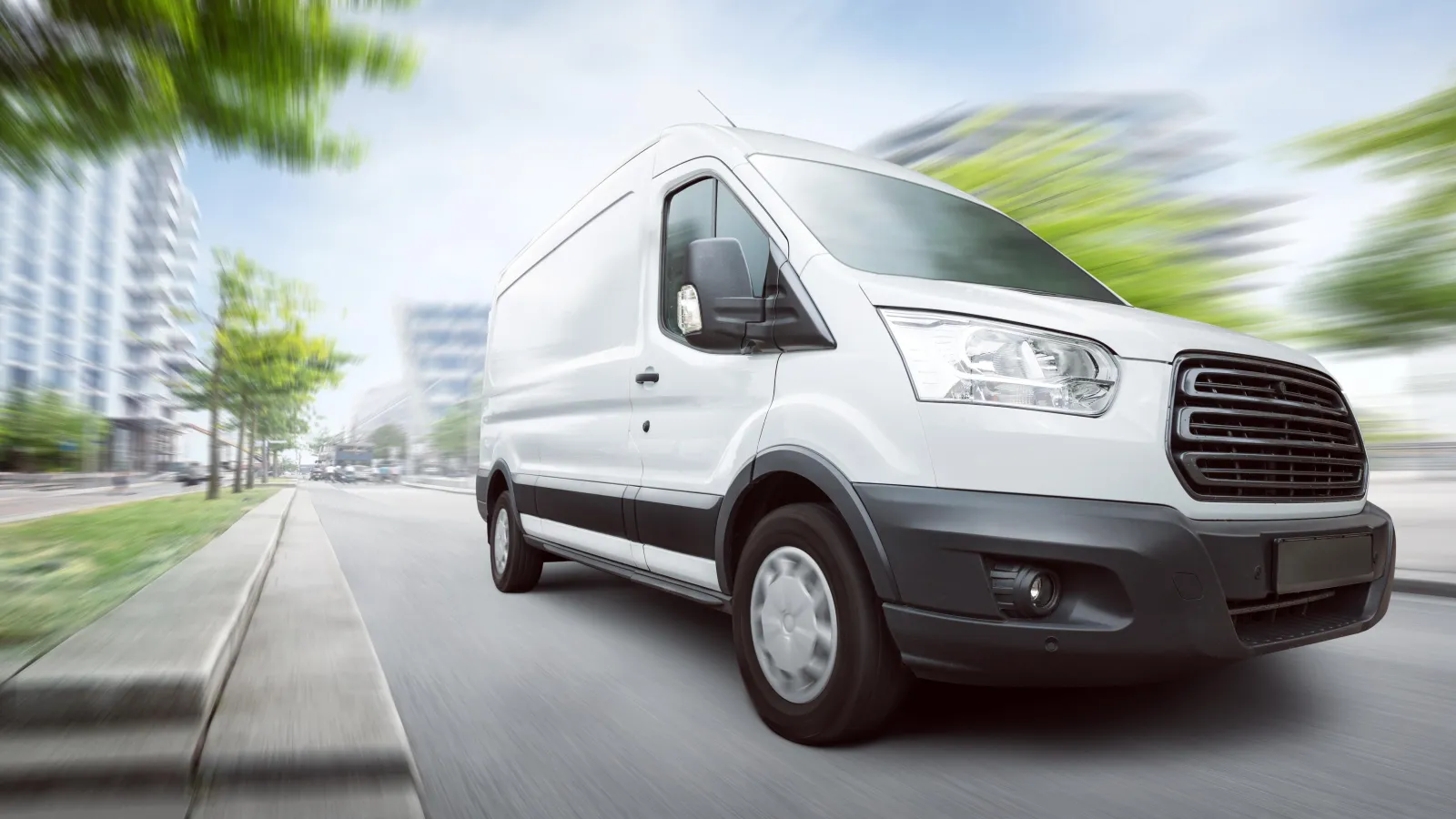
A hot shot is one vehicle carrying your load and nothing else, driven straight from A to B. It is the fastest thing a courier sells. It is also priced on the round trip, because the driver has to come back — and that single fact explains most of the sticker shock, and most of the cases where somebody paid for one who did not need it.
What is hot shot delivery?
A dedicated vehicle — usually a cargo van, sprinter or medium-duty truck — dispatched for your job alone. No other freight aboard, no terminal, no sort, no stops. It leaves when it is loaded and arrives when the drive is done.
The term comes from oilfield work, where a stopped rig cost enough per hour that sending a truck immediately for one part was obviously worth it. The automotive supply chain in Detroit built the same capacity for the same reason. What matters to you is that the capability exists in nearly every Midwest metro and is available to anyone, not just to manufacturers.
Why the price is built on a round trip
Here is the arithmetic nobody puts on a website.
A dedicated run from Cleveland to Columbus is about 140 miles. The driver then has to get home, and unless dispatch finds a paying load coming back — which they will try — your quote covers roughly 280 miles of driving and most of that driver’s day. The empty return leg is called deadhead, and you are paying for it whether anyone says the word or not.
That is why a hot shot quote can be three or four times what the one-way mileage suggests, and why “it’s only two hours away” is the wrong way to estimate it.
When is a scheduled lane cheaper?
Frequently, and it is the question most people never ask.
A scheduled lane is a route a company already drives on a timetable — a van that leaves Cleveland for Columbus every weekday at 4pm regardless of whether you call. Your item rides with everything else going that direction, so the vehicle cost is shared rather than yours alone.
Adding a piece to a departure that is already happening is often a fraction of a dedicated run to the same address. The catch is that you travel on their schedule, not yours.
Ask what lanes a company already drives, not whether it will drive yours. Almost nobody volunteers the list, and almost everybody has one.
Which Midwest lanes tend to already exist
Not a directory of routes — those change — but the pattern is consistent. Lanes form between metros close enough for a same-day round trip and far enough apart to be worth scheduling:
- Cleveland–Columbus, Cleveland–Dayton, Cleveland–Toledo, Cincinnati–Columbus. Ohio’s metros sit within easy round-trip range of each other, and this is the densest lane network in the region.
- Kansas City–St. Louis, roughly 250 miles and the busiest lane in Missouri. Worth reading alongside what the river does to a St. Louis quote, because the same run prices differently depending which side you start on.
- Chicago–Milwaukee, and Chicago out to Rockford and northwest Indiana.
- Minneapolis–Rochester and Minneapolis–Duluth, both regularly scheduled.
- Indianapolis to Chicago, Cincinnati, Louisville and Columbus.
If your run matches one of these, ask about the lane before asking what a dedicated vehicle costs. If it does not, a hot shot may genuinely be the only option — and now you know why the number looks the way it does.
When you should not be paying for either
If your deadline is measured in days rather than hours and the load is palletised, this is LTL freight and both options above are an expensive way to buy patience. What a pallet actually costs to ship is priced on completely different rules — freight class and dock access rather than a driver’s day.
The honest test: would arriving tomorrow afternoon instead of this afternoon cost you anything? If not, you are buying speed you do not need.
What to have ready before you call
- Both addresses, not both cities. Dock or no dock at each end.
- Dimensions and weight, measured. It decides the vehicle.
- Your deadline as a clock time, not “urgent” — that word means nothing to a dispatcher and everything to a quote.
- Whether the date is flexible. This is what lets them put you on a lane.
- Whether anyone needs to be called before arrival at either end.
If the job is urgent but local rather than intercity, same-day courier is the product you want. If it is intercity and heavy, start with freight courier. And if you are not sure how the base rate and the multipliers fit together in the first place, that is worth two minutes.